

Aiming at Samsung and SK Hynix? Are China's two major memory companies going to introduce EUV lithography machines?
Currently, memory chips are the most profitable chips, bar none.
Looking at the performance of major memory chip companies, their gross profit margins all exceed 80%, surpassing AI chip giant Nvidia and chip foundry giant TSMC, making them the highest in gross profit margin among all semiconductor companies.
Of course, the storage chip market is mainly dominated by three giants: South Korea's Samsung and SK Hynix, and the United States' Micron. These three giants account for over 80% of the global market share.
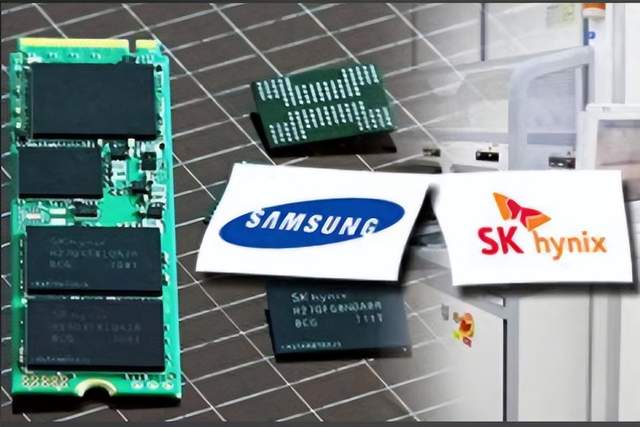
So, seeing these three giants making huge profits, other storage chip manufacturers, of course, also want to get a share of the pie.
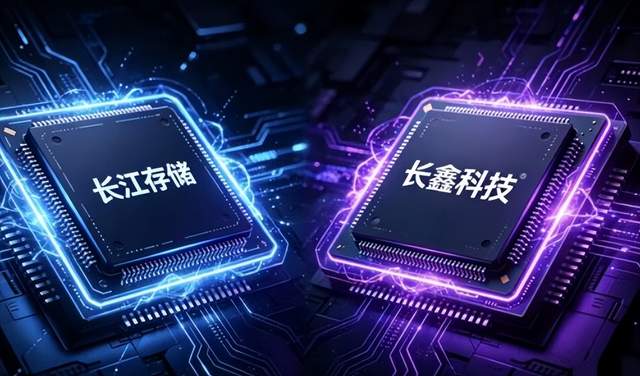
For example, domestic companies like Changxin and Changcun have been continuously making breakthroughs and increasing production capacity in DRAM and NAND flash memory, and they will also get a share of the market in 2026.
ChangXin's profit in the first three quarters reached more than 130 billion yuan, and ChangCun is likely not much different. This year, the combined profit of the two major companies may reach 350-400 billion yuan, which is a new record in the history of China's chips.
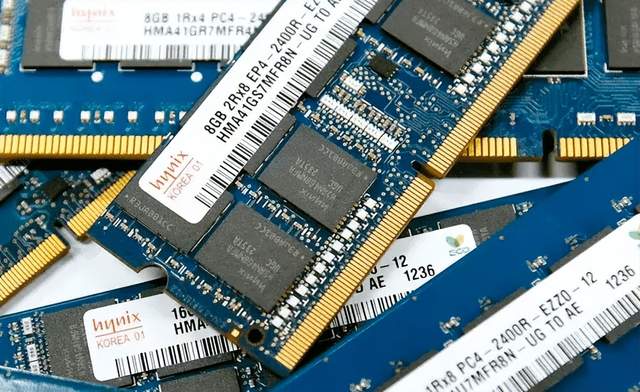
In addition, Taiwan-based manufacturers like Nanya and Winbond naturally also want to get a share of the pie.
Recently, some media reported that Winbond and Nanya, which originally mainly produced mature chips like DDR4 and DDR3, surprisingly also want to make a big move. They are speeding up the deployment of EUV lithography technology and plan to purchase EUV lithography machines from ASML for use in next-generation DRAM manufacturing.
Previously, these two major manufacturers had actually given up on producing new DRAM memory because the competition in the memory market was too intense, and their technology lagged far behind Samsung's. Increasing investment would only lead to greater losses without any real gains.
But now, because storage chips are skyrocketing in price, as long as there is capacity, they can be sold and make a profit, so they also want to introduce EUV to narrow the technological gap with storage giants like Samsung, SK Hynix, and Micron.
However, some people also say that the technological gap cannot be bridged with just a few EUV machines. It involves research and development, yield, production capacity, and so on. What is needed is long-term persistence and R&D; the threshold is not low and it is not just a gap in equipment.
From introducing EUV to finally manufacturing DRAM memory or HBM memory, it may take several years in between, but the question is, how many more years can the current memory chips remain popular?
Some media outlets claim that the price will rise until 2028 at most. By then, these two major manufacturers will still not have produced advanced memory, and the market will collapse. What will we do then? Some netizens commented that by that time, it will really be a case of 'even eating shit won't catch the heat'.
