

Making the same chip, 1GB DRAM memory costs 50 times the price of 1GB NAND flash?
Currently, there are mainly two types of storage chips. One is DRAM memory, which includes the commonly seen DDR4, DDR5 memory, as well as HBM memory specifically for AI chips. The other is NAND flash memory, which is mainly used to make SSDs and similar hard drive chips.
DRAM memory and NAND flash chips are actually somewhat similar; both have a 1T1C structure, meaning one transistor paired with one capacitor. The capacitor is used to store data, and many pieces of equipment on the production line are shared, with the principles being somewhat similar as well.
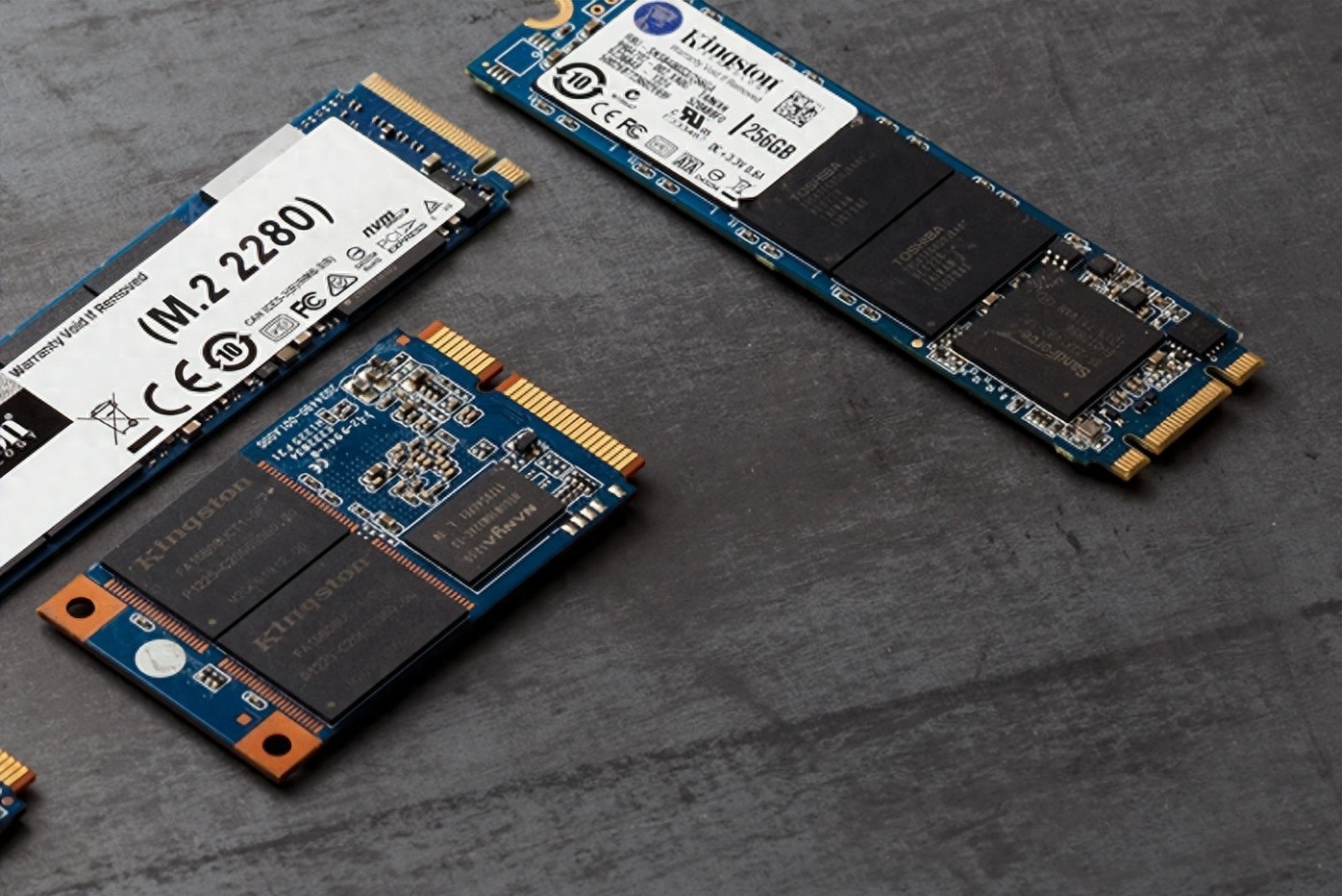
This is also the reason why manufacturers like Samsung, SK Hynix, and Micron produce both DRAM memory and NAND flash.
However, even though both produce memory chips, the prices of NAND and DRAM are completely different, and their total profits are even more so.
If calculated based on a storage capacity of 1GB, the price of DRAM is 50 times that of NAND flash, and the profit is also around 50 times.
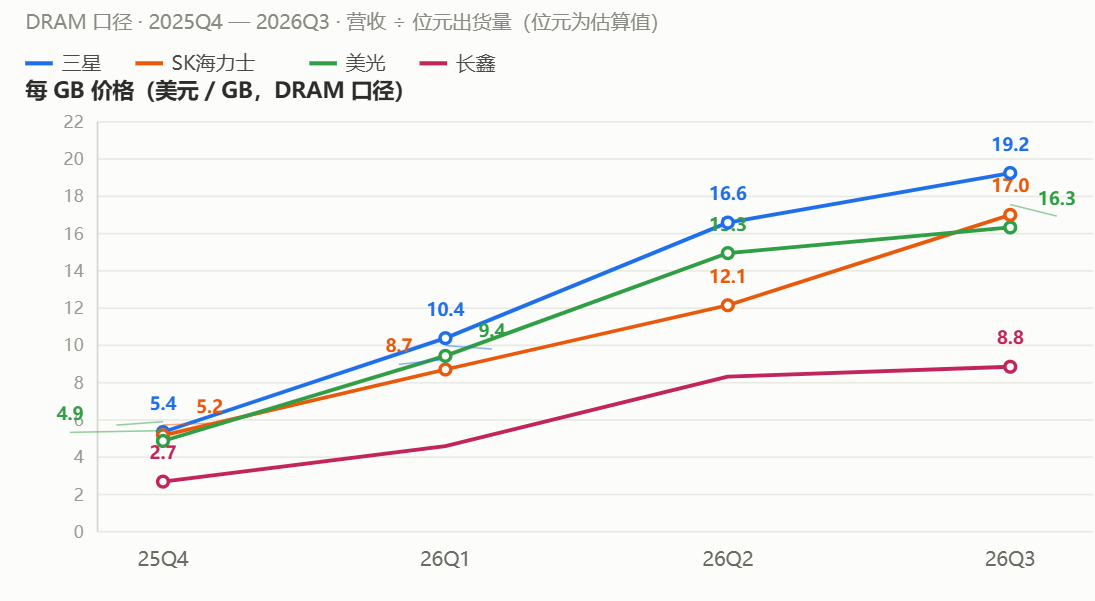
The above chart is calculated by an organization and shows the average price per 1GB of DRAM memory for the top four manufacturers. You may notice that Samsung is the highest, with an average selling price of $19.2 per 1GB of memory.
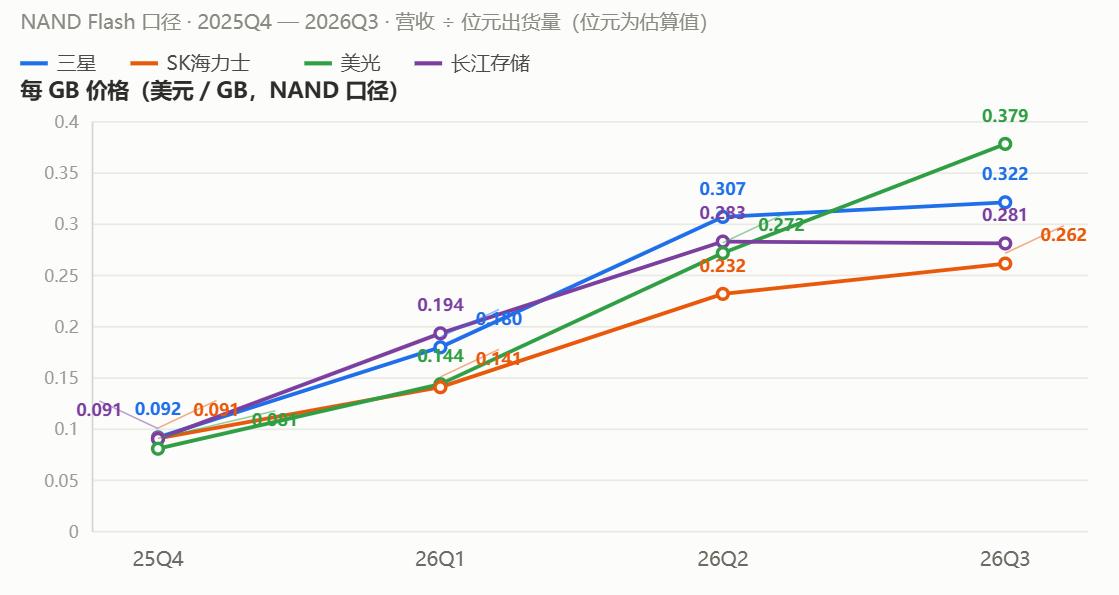
Looking at the 1GB NAND flash memory, it's obviously much cheaper. The highest price is for Micron, with the price of 1GB NAND flash memory being only $0.379. In comparison, the price of 1GB of RAM is about 50 times that of 1GB of flash memory.
In fact, if we compare the current prices of memory and SSDs, it is the same: 16GB of memory costs more than 1,000 yuan, while a 1TB SSD costs only about 1,000 yuan, indeed reaching a price ratio of around 50:1.
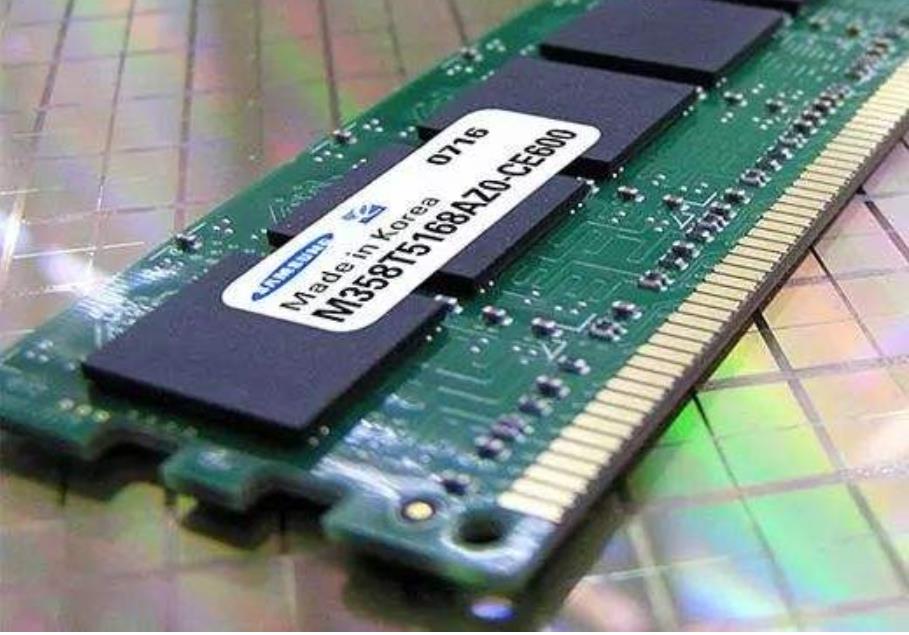
With prices like this, the profit is actually about 50:1 as well; for every 1GB of memory, the profit is roughly 50 times that of 1GB of memory.
Of course, memory prices are high and profits are high, but the difficulty of producing 1GB is definitely not the same as the difficulty of producing 1GB of flash memory; the process is inevitably more complex, takes more time, is more difficult, and the cost is also higher.
If the difficulty is the same and the cost is the same, then who would still manufacture NAND flash memory? Everyone would go to manufacture DRAM memory instead.
This might also be the reason why rumors about Changcun entering the DRAM market have persisted; after all, Changcun has the capability and confidence, and it also possesses core technologies like Xtacking. Whether it is making NAND or DRAM, it belongs to the level of 'nuclear weapon' technology. Since DRAM is expensive, once Changcun enters the market, its performance could reach another level.
