


To be honest, Changxin Memory requires 4F technology, but Micron can do without it
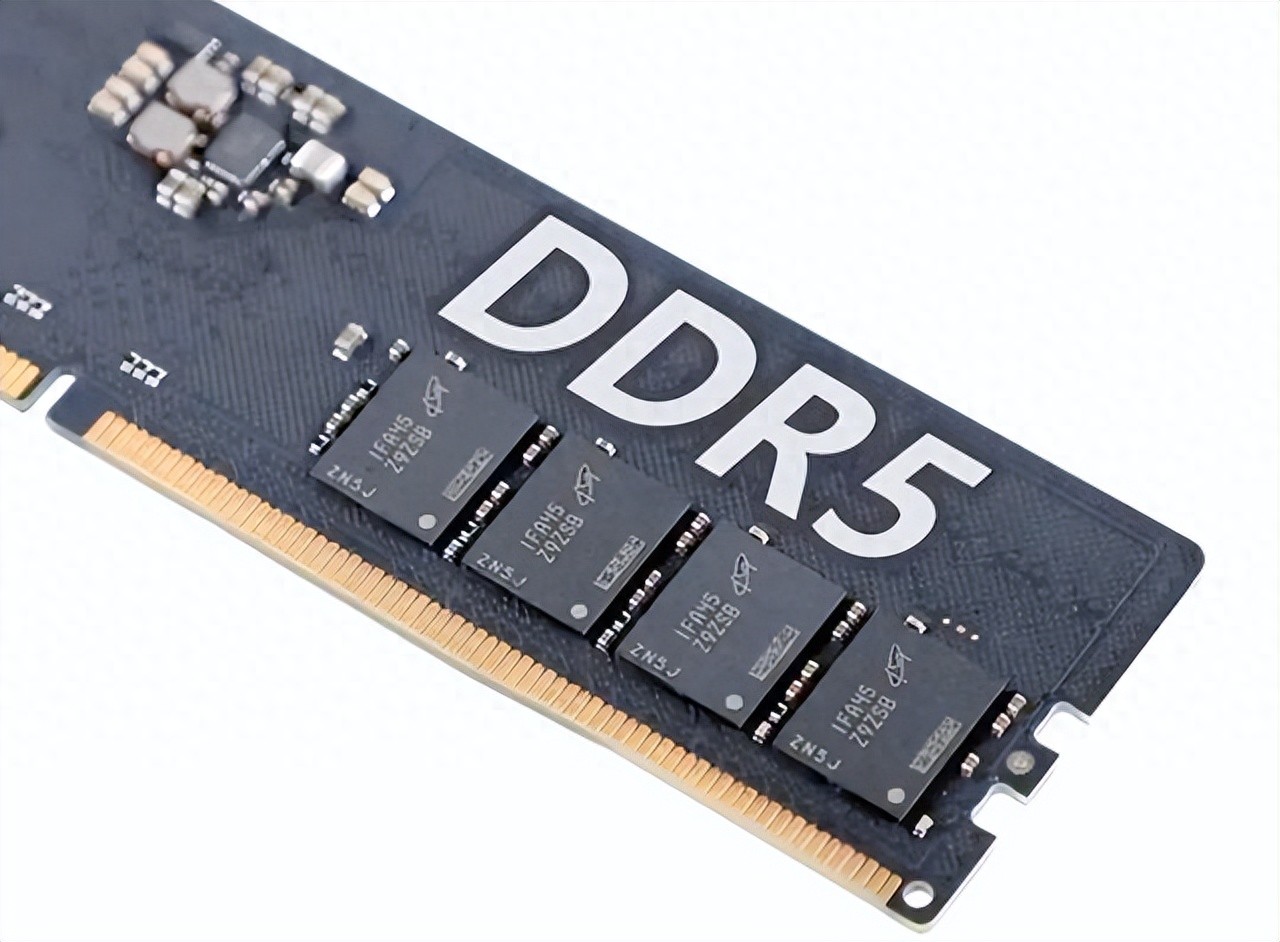
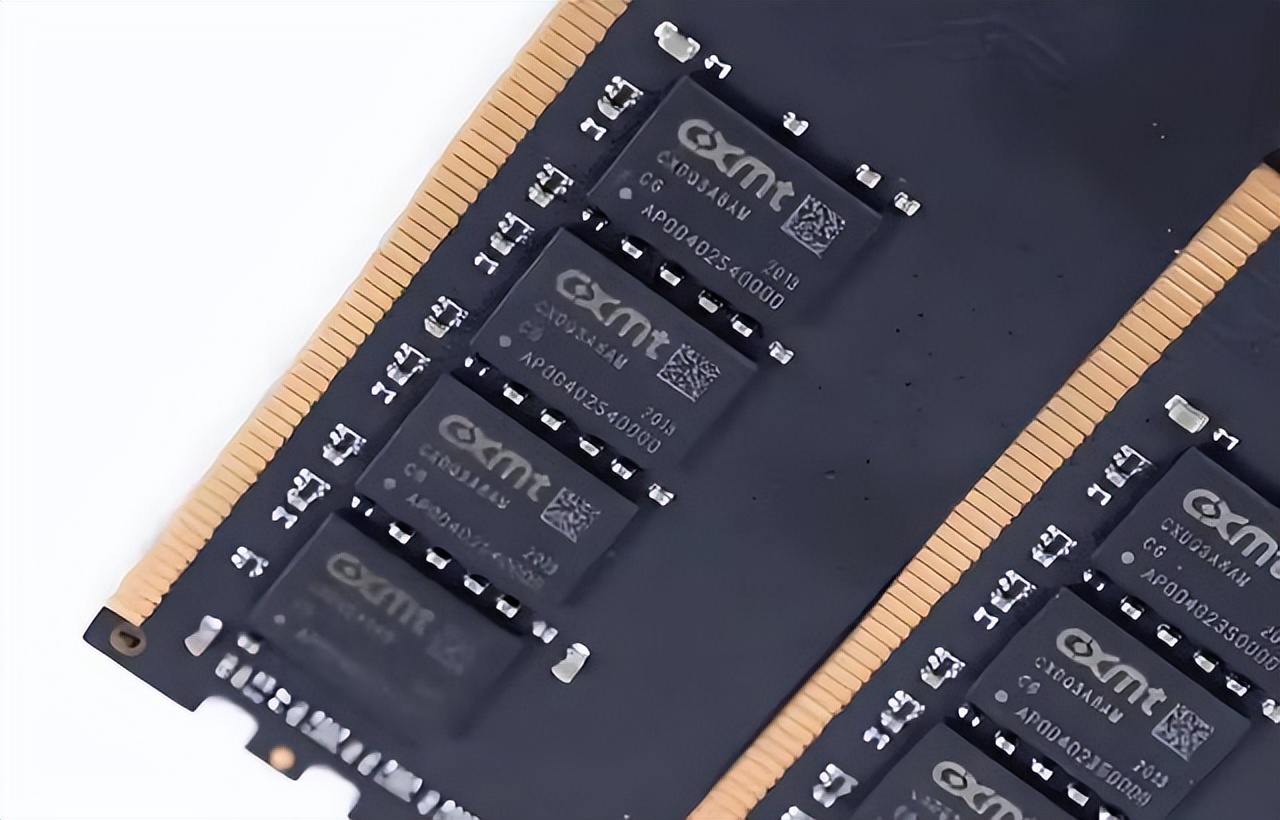
Recently, many media reports stated that Chinese memory chip giant Changxin Technology is expected to launch a 4F architecture DDR5 RDIMM memory this year, while Korean media reports suggest that this technology may be two years ahead of Samsung.
A few days later, Micron stated that they had been researching this 4F technology 20 years ago, but they felt there was no need to do so and decided to focus on their own 6F technology.
Then many people complained about roast, saying that Meguiar did not want to do it, but could not do it, because it was sour grapes.
To be honest, as far as the 4F architecture itself is concerned, it is indeed a good technology, but good technology also depends on the situation. Not all enterprises have to do it, and for Micron, it is really not necessary at present.
To clarify this technology, we need to first explain how memory chips are composed.
Logic chips, such as CPUs and SOCs, are all composed of transistors. Improving the process involves miniaturizing transistors to increase their density, resulting in improved performance.
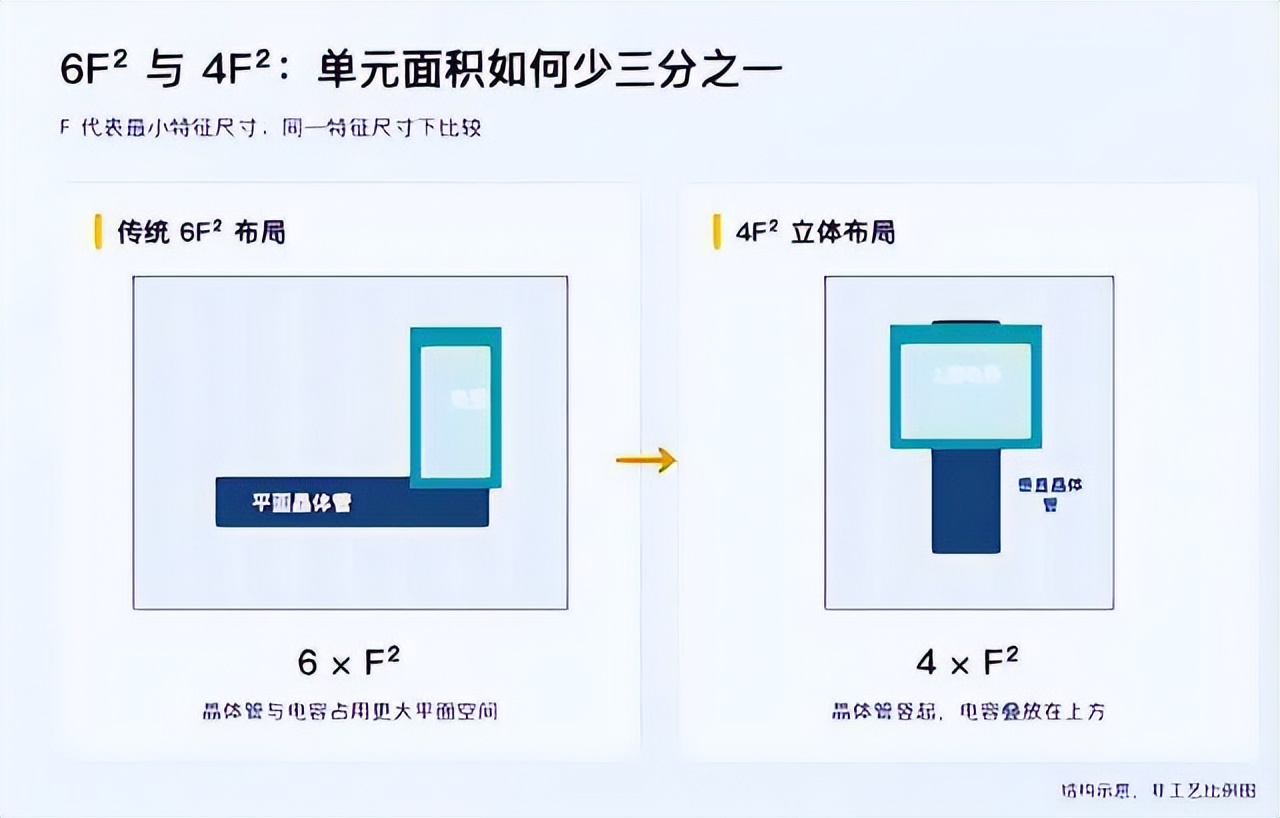
But storage chips are designed to store data, so they are not entirely composed of transistors. Usually, one transistor is paired with one capacitor, which is a 1T1C structure. One transistor and one capacitor form the smallest storage unit.
In the past, transistors and capacitors were both planar structures, occupying a total of six smallest unit sizes, hence 6F.
And 4F stands the transistors vertically, no longer arranged in a flat plane, so they only occupy the positions of the four smallest unit sizes, hence it is called 4F.
It is obvious that 4F requires a smaller area than 6F, reducing it by one-third. Therefore, under the same chip area, the storage density is indeed higher. With the same size of wafer, more chips will be cut out and more data will be stored. It seems that the cost will decrease
So the question arises, why does Changxin need it but Micron doesn't?
This is not difficult to understand. 4F can indeed increase storage density and reduce unit size, but it takes a different path from the current one. Vertical queuing is not just about vertical alignment. The requirements for etching, atomic layer deposition, and selective epitaxy have been comprehensively upgraded, which is very difficult and requires the use of mixed bonding technology. The steps have also become more complex and the yield control is not so easy.
6F is currently the path that everyone is walking on, with a complete set of mature solutions. For Micron, it can buy EUV lithography machines, and the 6F path can continue to be continued and scaled down without the need to change the solution.
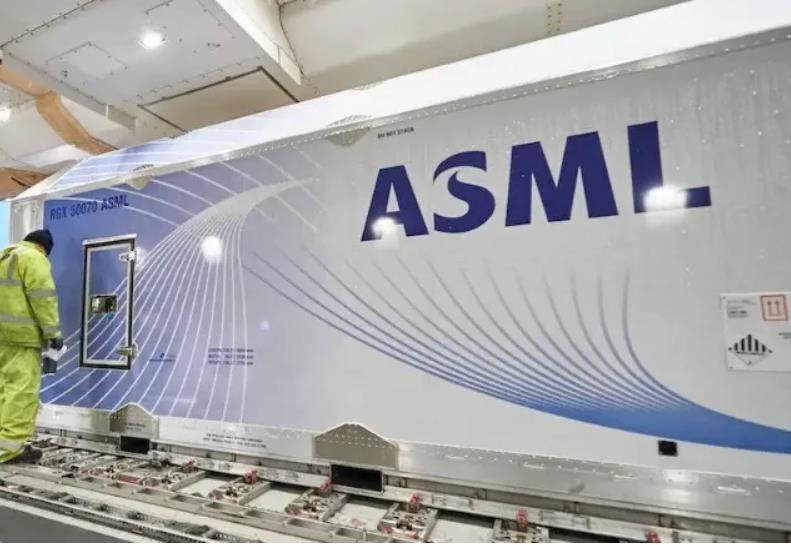
Changxin cannot buy EUV lithography machines and cannot continuously miniaturize transistors like Micron and other manufacturers. This is the biggest difference between the two. Micron can follow the original technology, but Changxin may not be able to do so and can only find another way.
So Changxin needs 4F architecture technology, which can be considered overtaking by changing lanes, but Micron doesn't need it. With an EUV lithography machine, it doesn't need to change lanes, just follow the original direction and there's no need to take risks.
