


Computers and mobile phones have collapsed, but why are storage chips still rising?
In the third quarter of 2026, mobile phones and computers will really crash.
Data shows that mobile phone sales have declined by 20%, setting the worst record in 14 years. And PC fell 21%, also setting the worst record in over a decade.
And institutions predict that the decline in mobile phones will narrow slightly in the fourth quarter, after all, various new flagships were released in the fourth quarter, which will stimulate a wave of sales, but computers may fall even more severely, expected to drop by 27%.
However, despite the severe decline in mobile phones and PCs, the culprit's storage chips are still rising.
The current industry consensus is that storage chips will at least rise until 2027, and if we are more pessimistic, they will rise until 2028. Of course, there are also more radical institutions that believe it will rise until 2030.
So the question is, as a major consumer of storage, why can storage chips continue to rise despite the collapse of smartphones and PCs, and what are the reasons behind it?
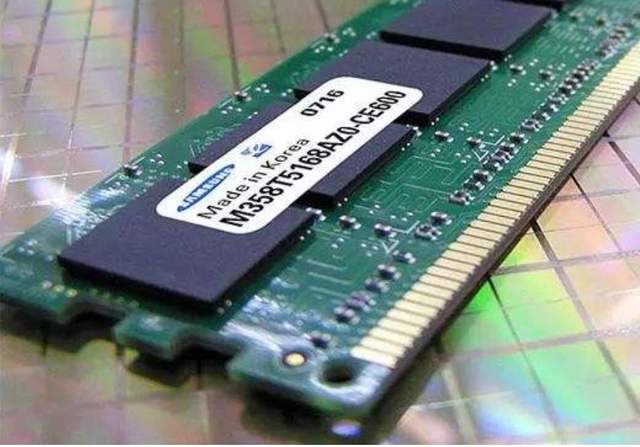
If it were two years ago, smartphones and PCs did indeed consume around 40-50% of the storage chips.
For example, with the increasing amount of memory in mobile phones, many flagships start with 16GB+512GB, while PCs with higher configurations also start with 16GB+1TB, which indeed consumes 40 to 50% of the storage chips in a year.
But later on, with the rise of AI, on the one hand, GPUs required a large amount of HBM memory, and then data centers needed a large amount of DRAM memory, as well as SSD storage, etc.
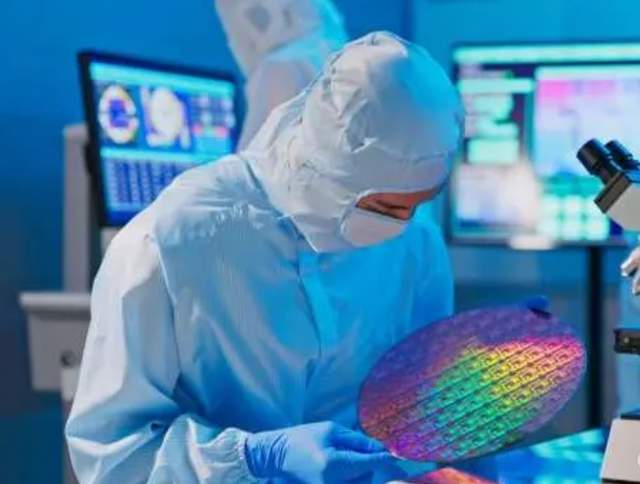
So currently, the storage chip market is dominated by HBM production lines, which require more than twice the capacity of DRAM. Institutions believe that by 2026, HBM and server RDIMM will account for 51% of the global DRAM bit supply, and NAND will also be similar.
So currently, AI has consumed nearly half of the world's storage chips, while the demand for mobile phones and PCs has decreased to around 20%.
So in the past year, AI has actually been driving the rise of storage chips. There is also a saying circulating online that 'AI doesn't die, memory prices will not stop rising'. Therefore, although the collapse of mobile phones and PCs is important for storage chips, it is not fatal.
Nowadays, the global AI infrastructure is still soaring, so the demand for storage chips will continue to exist. In addition, Samsung, SK Hynix, Micron are working together to control prices, and the three giants are not critical to expanding production and maintaining production capacity without significant changes. Therefore, storage chips will remain tight and will continue to rise in price.
As for PC+smartphones, a 20% drop only affects about 4% of global demand for storage chips, which is irrelevant to the overall situation, so it cannot temporarily affect the price trend.
