Shenzhen Zhilian Weichuang Technology Co., Ltd.

Drone applications

Control Module

"UAV sub-control modules" usually refer to sub-controllers or task-specific modules within distributed multi-core architectures. It is not a traditional complete flight control system, but rather separates attitude calculation, motor drive, and mission execution functions, connecting them into a network via CAN bus or I2C. This architecture significantly enhances the system's fault tolerance, scalability, and real-time computational performance.
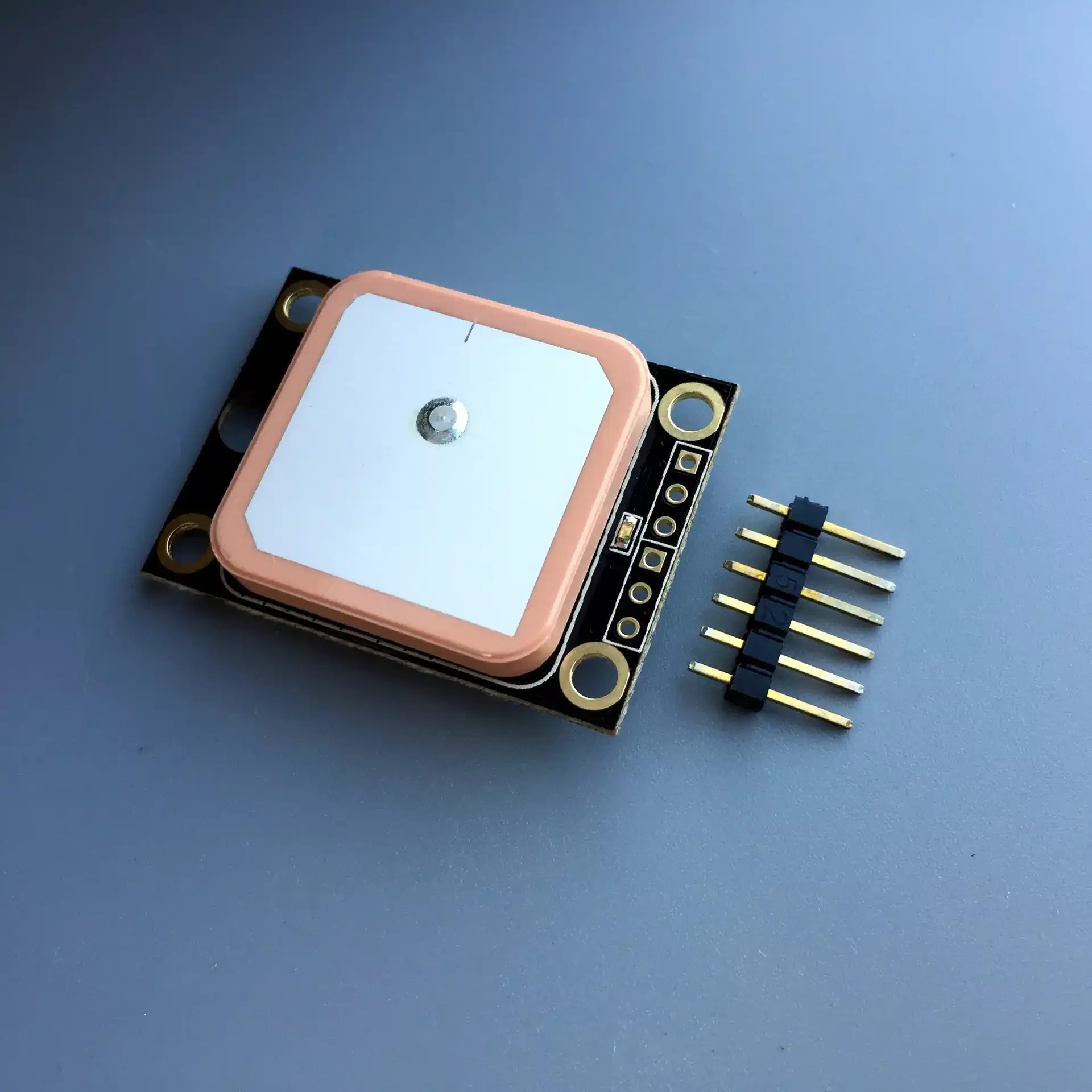

无人机分控模块.png

Function

Executing main control commands: Receives attitude commands from the main control module, precisely drives the corresponding motors, and achieves stable flight.

Independent local control: Closed-loop control of mounted gimbal heads, cameras, spray valves, and other task equipment.

Preprocessing and distribution: Local sensor data (such as ESC temperature, radar obstacle avoidance information) is collected and initially processed before being sent to the main controller, reducing the computational load on the main controller.

Advantages

Redundancy and fault tolerance: Core components can be designed with "triple redundancy"; if one sub-control module fails, other modules can maintain basic posture and gain emergency return time.

Flexible expansion: Modular design allows easy installation of millimeter-wave radar or multispectral cameras via reserved interfaces.

Reduced latency: Tasks such as motor control are completed locally on the module, without relying on the main controller or communication bus, resulting in faster response.

Easy maintenance: replace any module that malfunctions, without replacing the entire flight control board.

Technology

Communication protocols: Modules often use CAN bus (high bandwidth, anti-interference) or serial communication.

Clock synchronization: Multiple modules must strictly synchronize the time (usually less than 1 millisecond), otherwise flight control will become chaotic.

Hardware composition: The core is usually an ARM Cortex-M series microcontroller (such as STM32F4/F7), paired with PWM output to drive ESC, and ADC to collect voltage and current.