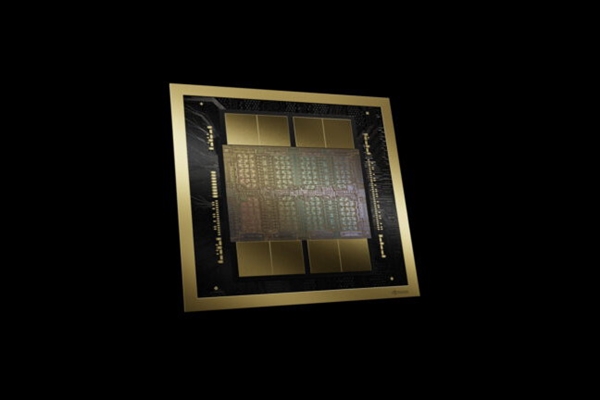


Trump stated: NVIDIA Blackwell chips can be sold to China, but only with one condition
According to Digitimes, at the APEC meeting, U.S. President Trump stated that Nvidia's Blackwell architecture AI chip will only be approved for export to China if the product is no longer considered the most advanced chip on the market.
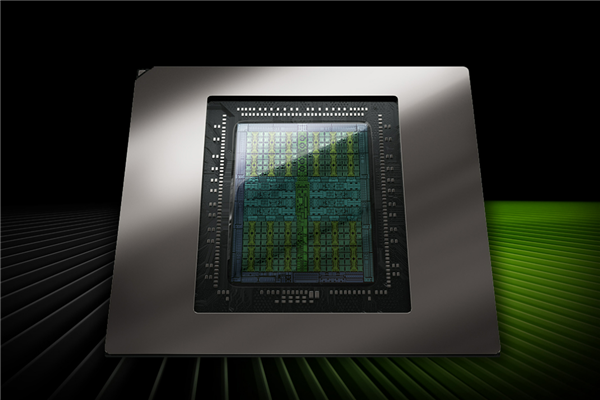
This statement means that the Blackwell series is still maintaining its export ban to China and has not been immediately lifted. The premise for policy relaxation is to wait until the newer generation of flagship chips is launched and Blackwell exits the top tier, before there is room for discussion about lifting restrictions.
The report did not provide a clear timeline for lifting the ban or supporting licensing rules; the specific implementation details still require further approval by the U.S. Department of Commerce's Bureau of Industrial Security.
Blackwell is NVIDIA's current flagship high-end AI computing chip, with computing performance far ahead of previous generations, and is also the core choice for overseas cloud providers building AI computing clusters. Since its launch, this series has long been included in the U.S. chip export control list to China, making it impossible for the domestic market to directly purchase original Blackwell chips.
The market has been closely monitoring U.S. regulatory policy developments, with many institutions assessing the possibility of Blackwell reopening sales to China.
However, this statement only releases long-term speculative possibilities and will not change the current regulatory framework in the short term, as domestic companies still cannot directly purchase Blackwell's high-end chips.
Industry analysts believe this statement is more of a flexible statement and does not represent established policies. It will also be influenced by domestic hawks, Congress, and industry bargaining in the future, with significant uncertainty about whether and when it will ultimately be implemented.
Some analysts also mentioned that even if Blackwell is no longer the most advanced chip in the future, the U.S. may impose additional reviews, quotas, and usage restrictions, and will not unconditionally relax supplies to China.