

No hype or criticism—our chip manufacturing process is at least three generations behind TSMC
Recently, SMIC released its earnings report, reporting third-quarter revenue of $3.19 billion, up 34% year-on-year, while profit was $428 million, +123.4% year-on-year.
Everyone speculates that Samsung may not be far off this quarter, and it's not impossible to catch up.
If we catch up, SMIC will already be the world's second largest. The next step is to target TSMC and strive to catch up with TSMC as soon as possible, so our chips will be worry-free.
Of course, this is everyone's hopeful wish.
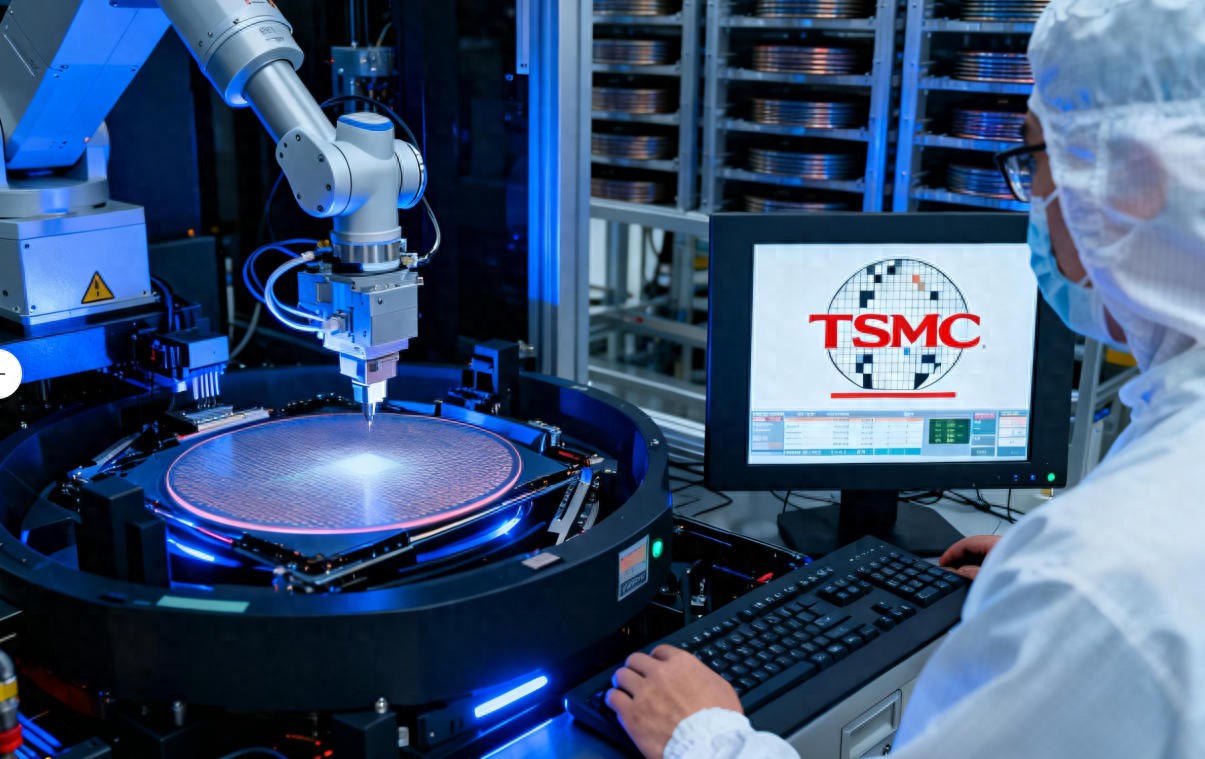
Honestly, catching up with TSMC is easy. The biggest issue lies in chip technology. Currently, we lag behind TSMC's chip manufacturing process by at least three generations.
By 2026, TSMC has already mass-produced 2nm chips. Apple's A20, Qualcomm's Snapdragon, MediaTek's latest flagship chips, and others are all manufactured based on TSMC's 2nm process.
As for SMIC, the currently confirmed process is 7nm. From 7nm to 2nm, there are also two nodes: 3nm and 5nm, so if you count as a major node, it's at least three generations.
TSMC began mass-producing 7nm chips in 2018, with Apple's A12 and Huawei's Kirin 980 both using TSMC's 7nm process.
This is technology from eight years ago at TSMC, so these three generations of technology should be about 7 or 8 years behind.
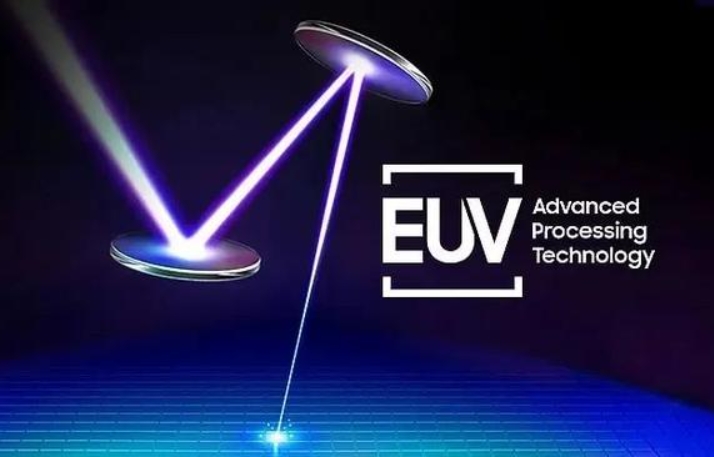
More importantly, processes below 7nm must use EUV. Without EUV, it is theoretically feasible to use multiple exposures, but in practice, it is not feasible. The process is extremely complex, yield is extremely low, costs are outrageously high, and the chips produced have little commercial value.
Currently, the U.S. is strictly guarding against it, and EUV lithography machines are unlikely to be purchased from abroad; only domestically developed EUV machines are feasible.
If EUV cannot be developed, then reaching below 7nm may be a luxury, and the gap with TSMC may widen rather than narrow, because after 2nm, TSMC will move forward to 1.4nm, 1.2nm, 1nm, and so on, all of which are continuously advancing.
Of course, you might also say that under the Youtao Law, performance improvements can still be achieved without EUV.
But the Tao Law is something others can do. It's not a technique, but a theory. Since it's a theory, you can apply it, and others can too—there's no limit.
Others have EUV, then stack Tao's Law. When stacked in pairs, compared to you with only Tao's Law, the power is actually greater and progress is faster.
So, the final key point is still domestic EUV. If we can't develop our own EUV lithography machines, the gap will widen even further. Only after developing EUV ourselves can this gap narrow. Otherwise, it's very difficult to catch up with TSMC. What do you think?
